
Who can vote?
You can vote in the municipal elections if you meet all of the following requirements:
- You are 18 years or older on 18 March 2026
- You are registered at a municipality on 2 February 2026
- You have Dutch nationality, the nationality of another EU member state, or have been living legally in the Netherlands for an uninterrupted period of at least 5 years as of 2 February 2026
What do you need to vote?
When going to the polling station, you will need to bring:
- A valid passport, EU ID card, residence permit or driver’s license that has not expired more than five years before election day.
- Has your ID been stolen or lost? You can vote with a report issued by the municipality and card with your photo, such as an OV chipcard.
- Your voting pass, which you will receive by mail.
- Lost your voting pass? You can get a new one from the municipality service desk until 12:00 on 17 March.
Information from your Municipality
-
-
Leiderdorp
Municipal Elections in Leiderdorp
-
Voorschoten
Municipal Elections in Voorschoten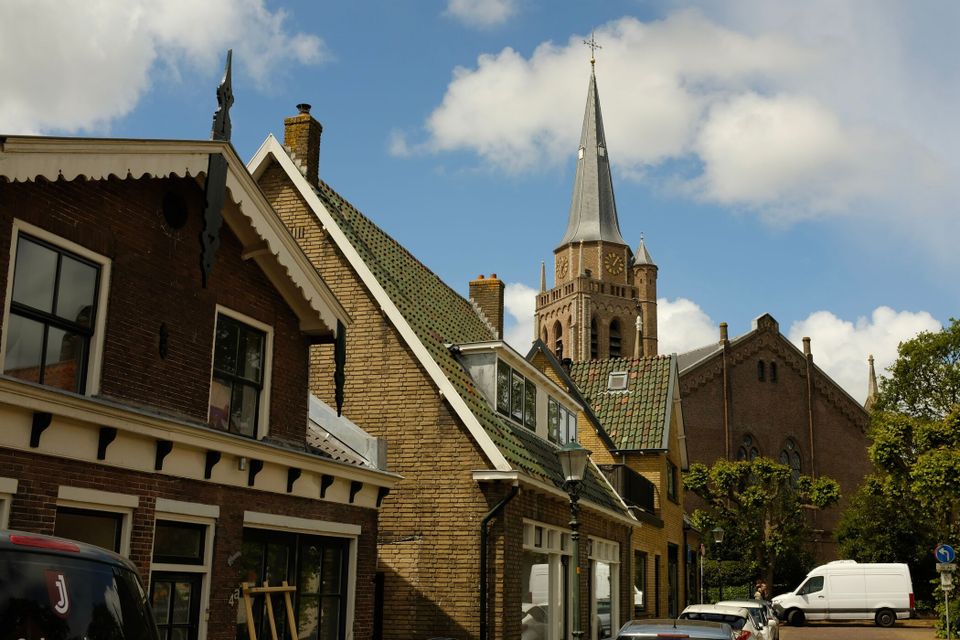
-
Zoeterwoude
Municipal Elections in Zoeterwoude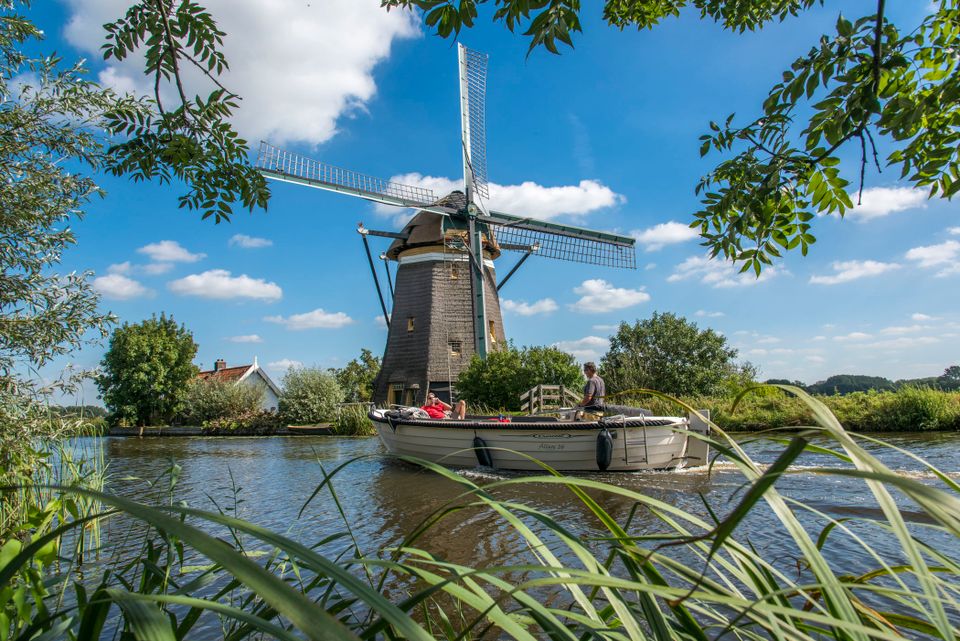
Further practical information
- Receive your voting pass - Your municipality will send a voting pass and a list of candidates to your home before the election. The candidate list shows which parties are participating and the people representing each party.
- Choose a political party and candidate - Review the candidate list and decide which party and candidate best represent your views.
- Go to the polling station - On Wednesday, 18 March 2026, take your voting pass to a polling station. Remember to bring a valid passport, driver’s license, ID card, or a valid residency permit. Polling stations are open from 7:30 a.m. to 9:00 p.m., and you can choose any polling station in your municipality. A full list of polling stations can be found on your municipality’s website.
- Submit your voting pass and ID - At the polling station, show your voting pass and ID to the election officers. They will check your identity and voting pass.
- Receive your ballot paper - The ballot lists all political parties in your municipality and the candidates representing each party.
- Fill in your vote - Take your ballot into a voting booth alone. Using the red pencil provided, fill in the circle of your party and candidate you want to vote for.
- Submit your ballot - Fold your completed ballot correctly and place it in the ballot box.
After 9:00 p.m., all votes will be counted. You can check the results online at sites such as NOS, or follow the news on TV, radio, or in newspapers. By following these steps, you can ensure your vote is counted and your voice is heard.
- A staff member will be present at each polling station to explain the ballot paper and answer your questions.
- You are allowed to take a how-to-vote card into the voting booth with you. This can show the party and candidate you wish to vote for.
- If you make a mistake on your ballot paper, you may request one new ballot paper from the polling staff.
- Every polling station has a magnifying glass available, you just need to ask for it.
- You must enter the voting booth alone, as voting is private. You may ask for help, but only outside the booth.
- There is one exception: if you have a physical limitation and cannot colour in the circle yourself, someone may accompany you inside the booth to assist you.
Depending on your municipality, the following assistance may be available:
- Voting stencil (for voters who are blind or visually impaired)
- Support for voters who are deaf or hearing-impaired
- Some municipalities offer additional assistance, such as:
- A sign-language interpreter present at the polling station.
- A polling station staff member who speaks Dutch Sign Language.
- The possibility to video call a sign-language interpreter.
To check what assistance is available at a specific polling station, visit www.waarismijnstemlokaal.nl, where you can see detailed information about each location.
You can also consult your municipality’s official election webpage for more information.
Then you can have someone else vote for you, also known as proxy. You can do so by filling the authorization form in the back of your voting pass. You must then give your voting pass and a copy (it can be also a pitcure) of your valid ID or residence permit. The person you authorize must live in the same municipality as you. This person will cast your vote simultaneously with their own and may accept a maximum of two proxies.
If you cannot vote by proxy, you can also vote using a written power of attorney, which follows slightly different rules depending on the municipality you live in. You can find more instructions on the page related to your municipality.
If you are planning to move or be abroad around the municipal elections, the following rules apply:
- Moving to another municipality:
- If you move after 2 February 2026 but were registered in your old municipality on that date, you will receive a voting pass from your old municipality at your old address.
- You can use this pass to vote in your old municipality, but you cannot vote in your new municipality.
- Living abroad:
- Dutch citizens who live outside the Netherlands cannot vote in municipal elections.